

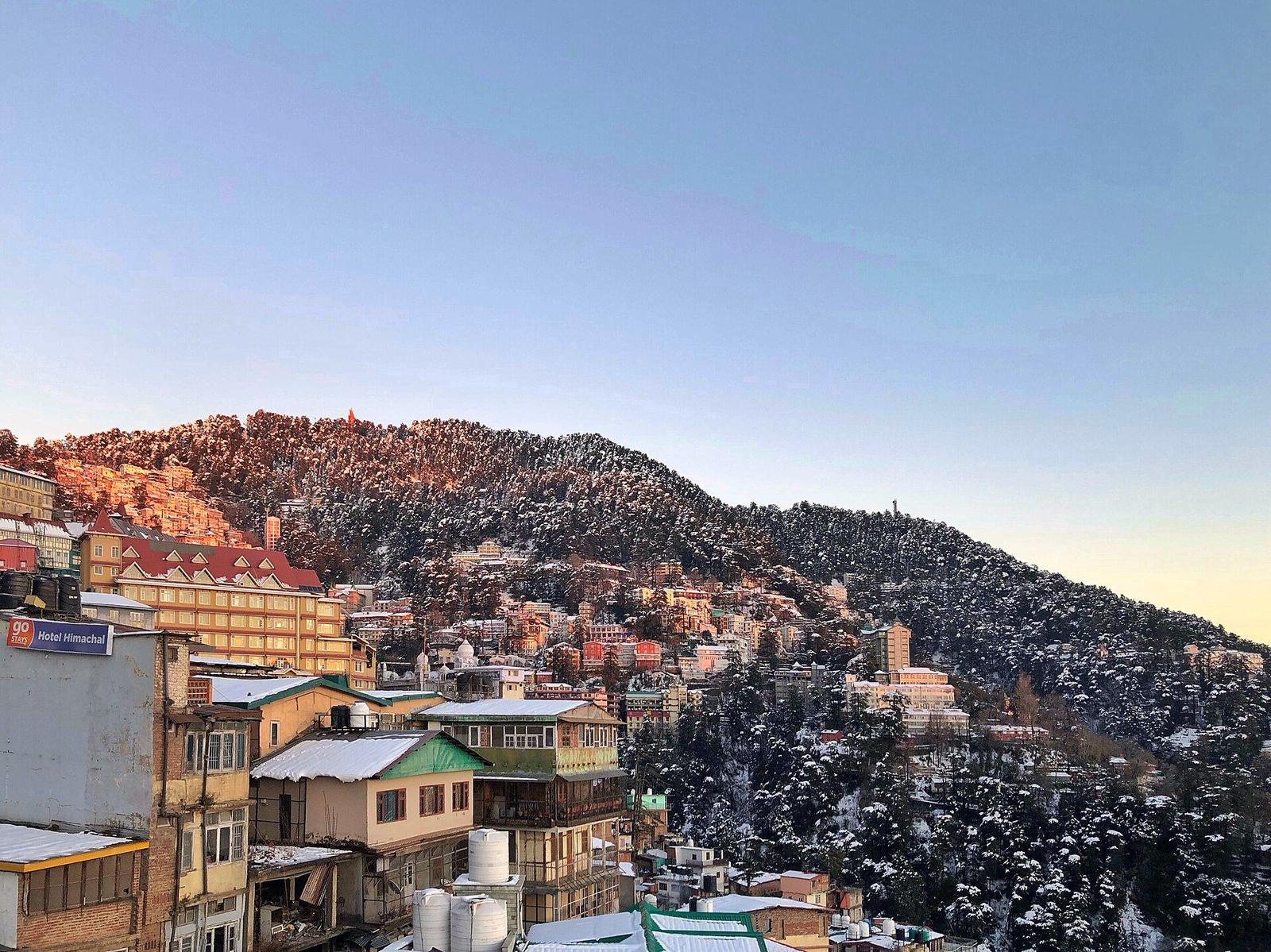
The December traffic jam is a pattern, not a surprise. In the last Christmas–New Year season, Shimla prepared for several lakh visitors and an estimated 8,000–10,000 vehicles a day. Around Manali, New Year traffic built up near town, Solang and the Atal Tunnel approach. Reports also described drivers jumping lanes on the Manali–Rohtang route, adding to the congestion. These were reports from December 2025, not forecasts for December 2026, but they are a useful warning: if you drive into Shimla or Manali at 4 p.m. on 31 December, the jam is part of the plan, not an accident.
The reasons repeat each year. Christmas and New Year travel bunch up around a few popular dates, school breaks make family trips easier to arrange, and some Delhi NCR travellers head to the hills during periods of poor winter air quality. Once many cars reach the same narrow mountain corridors, a small obstruction can slow everyone down.
Shimla’s administration set up a special winter-carnival plan from 24 December 2025 to 2 January 2026. As reported at the time, it advised drivers to avoid intoxicated driving, control their speed and not overtake. A separate December 2025 weather advisory warned that a Western Disturbance could bring snow to higher parts of Himachal Pradesh around New Year. Snowfall, black ice and traffic restrictions can change road access quickly, so last year’s experience is a reason to plan carefully, not a guarantee of this year’s conditions.
The famous hill towns, honestly
Shimla offers a walkable town centre, historic streets and easy access to nearby places such as Kufri. The trade-off during the holiday peak is that traffic and parking can become the main event. If Shimla is your choice, consider travelling before 23 December or after 2 January, arriving early in the day, and parking once rather than driving between stops.
Manali brings mountain scenery, cafés and access towards Solang and the Atal Tunnel. The holiday-week pinch points can extend from the town to the tunnel approach. In December 2025, reports described heavy congestion and traffic controls around the Atal Tunnel; conditions varied with weather and vehicle restrictions. Do not assume that the tunnel means Sissu is automatically reachable.
Mussoorie suits travellers looking for a classic hill-station break, with walks, viewpoints and cafés. Its popularity can mean slow movement on busy holiday days. Consider a weekday stay outside the peak dates, and avoid making several short drives around town when parking is limited.
Dehradun is a useful base for a city break or for continuing towards other parts of Uttarakhand. It is not a traffic-free shortcut to the mountains, though: holiday traffic can build on the roads leading out of town, and onward winter routes have their own weather risks.
If you want to keep a famous destination in your plan, travel outside the Christmas–New Year rush where possible. A train to Kalka or Kathgodam followed by a road journey for the final leg can avoid driving the entire way from Delhi NCR, but it does not remove hill-road traffic. Check train availability and current road conditions before you book.
Quieter places to consider
Quieter does not mean empty, easy or guaranteed to be open. Smaller destinations can have fewer services, limited winter transport and slower snow clearance. Check your accommodation, local road status and weather shortly before leaving.
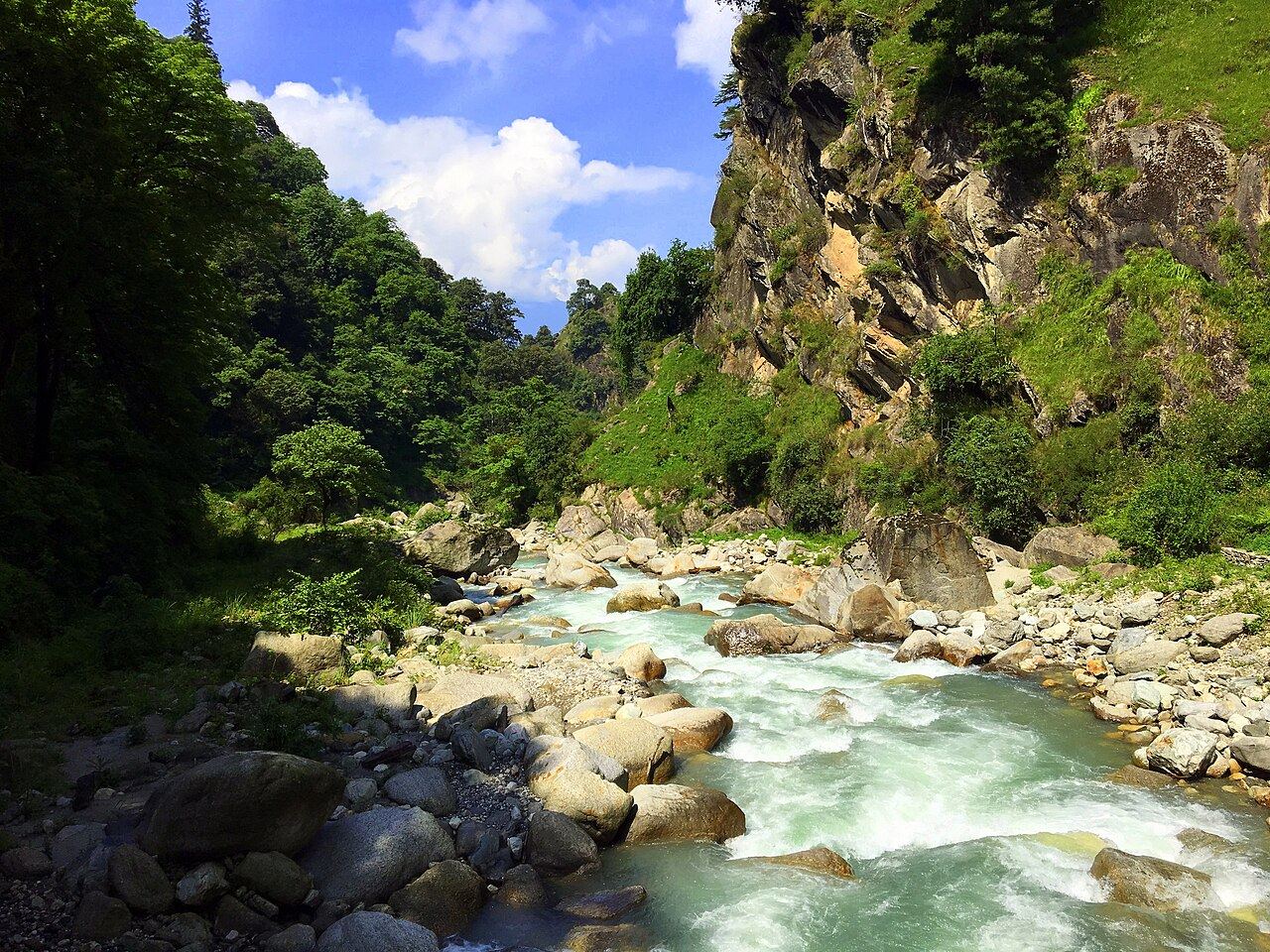

Jibhi and Tirthan Valley, Himachal Pradesh, suit travellers who want a riverside stay, village walks and time near the Great Himalayan National Park. The park’s own guidance says winter road conditions can deteriorate and many trekking routes close in winter. The valley approach may be accessible while higher routes are not. Shoja is quieter and colder; do not plan on crossing Jalori Pass without confirming its status.
Narkanda, Himachal Pradesh, is a winter-town alternative within the wider Shimla region, on the Hindustan-Tibet Road. It may suit travellers who want a smaller base and are prepared for snow-affected roads. The HPTDC describes Narkanda as a winter destination, but that does not mean every road or activity will be available after snowfall.
Chakrata, Uttarakhand, offers pine and oak forests and a slower feel than the larger hill stations. It suits walkers and travellers who are comfortable with fewer services. The Dehradun district describes the wider area as a place for nature walks and notes winter skiing activity near Mundali; check the local road status before heading to higher areas.
Kanatal, Uttarakhand, can work for a short break near Mussoorie, especially if you want a forest setting rather than a busy town centre. Treat winter access as conditional: confirm the approach road and accommodation arrangements locally instead of assuming the route is clear.
Chopta, Uttarakhand, is a base for the Tungnath and Chandrashila area and appeals to travellers seeking high-altitude scenery. Snow can make both road access and trails difficult. Trail conditions vary, and a route that is walkable in one season may be unsuitable after fresh snowfall. Confirm conditions with local authorities before setting out.
Munsiyari, Uttarakhand, is a far-flung choice for travellers who accept a long, remote journey for mountain views, including the Panchachuli range. Winter snow is part of its appeal, but it can also disrupt access and services. Build in a buffer and verify the road on the day.
Harsil, Uttarakhand, sits in the Bhagirathi Valley, in an area associated with apple growing and quiet village scenery. The Uttarkashi district describes winter conditions that can include frozen streams and snow-covered roads. It is a place to consider only if you are comfortable adjusting plans around weather.
Sissu, Himachal Pradesh, draws winter travellers for early-season snow and frozen-waterfall scenery, but access depends on conditions around the Atal Tunnel and the Lahaul road. The tunnel approach was a choke point during the New Year rush in 2025. Confirm current restrictions before driving towards Sissu.
Kalpa and Chitkul, Kinnaur, are options for travellers who want to go farther into the mountains. Kalpa can be a more practical base, while Chitkul is a more weather-sensitive extension. Snow, ice and temporary closures can affect the final approach, so check local road status and keep a fallback plan.

Timing matters more than the destination
A few practical choices can make a winter road trip calmer:
- If your dates are flexible, travel before 23 December or after 2 January. The Central Government holiday calendar is a useful reference, but private employers set their own holiday lists, states add regional festivals, and dates for moon-dependent holidays depend on moon sightings. Check your own calendar before booking.
- Leave early. Media advisories during the December 2025 rush urged early departures, with one report mentioning before 7 a.m. That exact time should not be treated as a standing official rule; follow current local police instructions.
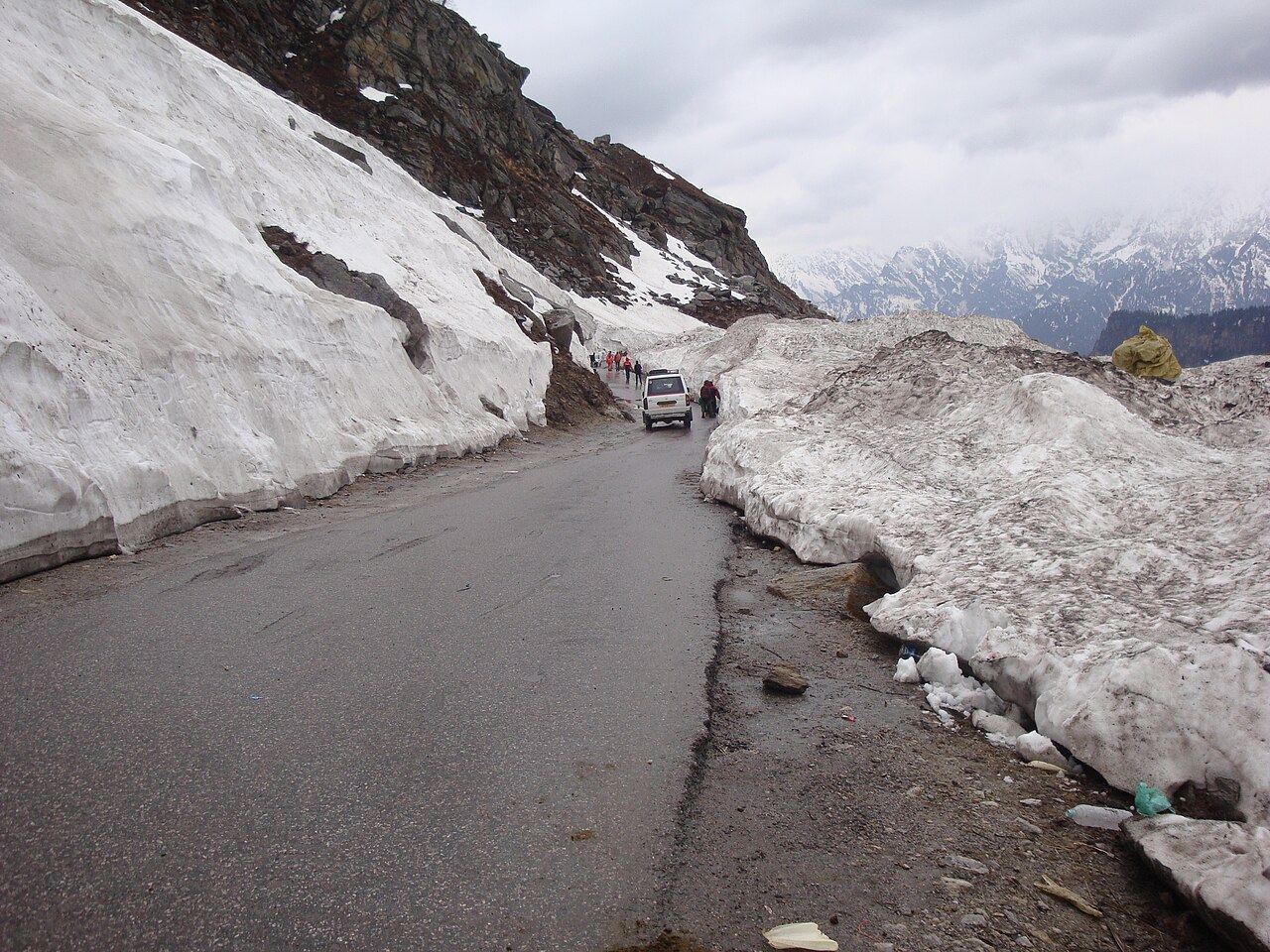
- Expect black ice on high-altitude stretches, especially early in the morning and at night. Drive slowly, leave space and avoid sudden braking.
- Carry chains only where they are advised and permitted, and know how to use them. Follow police, road-authority and local restrictions rather than trying to push through a closed or controlled stretch.
- Park once and walk around town where possible. Do not overtake queues, jump lanes or stop on narrow bends for photographs.
- Check the weather forecast before departure. Western Disturbances can bring sudden snow, and a clear forecast does not guarantee that every local road is open.
- Keep a buffer day. A delayed return is safer than trying to make up lost time on a mountain road.
- Check road status with the relevant district administration, police and road authorities immediately before the drive. A route map is not a live closure notice.
This guide is for choosing a destination, not for following a fixed route. Stop-by-stop detours and winter access can change; check a current map and official local updates for your exact journey.
For a winter road trip, the aim does not have to be finding a place with no visitors. It can be choosing a place that fits your pace, travelling outside the tightest rush where possible, and leaving room to change plans if the weather turns.
To check state-wise fuel prices and plan your drive, use the Bharat Brumhmaan app, and browse more route guides on the Bharat Brumhmaan blog.
Photo credits: hero image (Shimla after snowfall, seen from the old bus stand at dusk) UnpetitproleX, CC BY-SA 4.0, via Wikimedia Commons. Images were resized and compressed.
